What Is Telehealth Therapy? A Guide to Online Mental Health Support
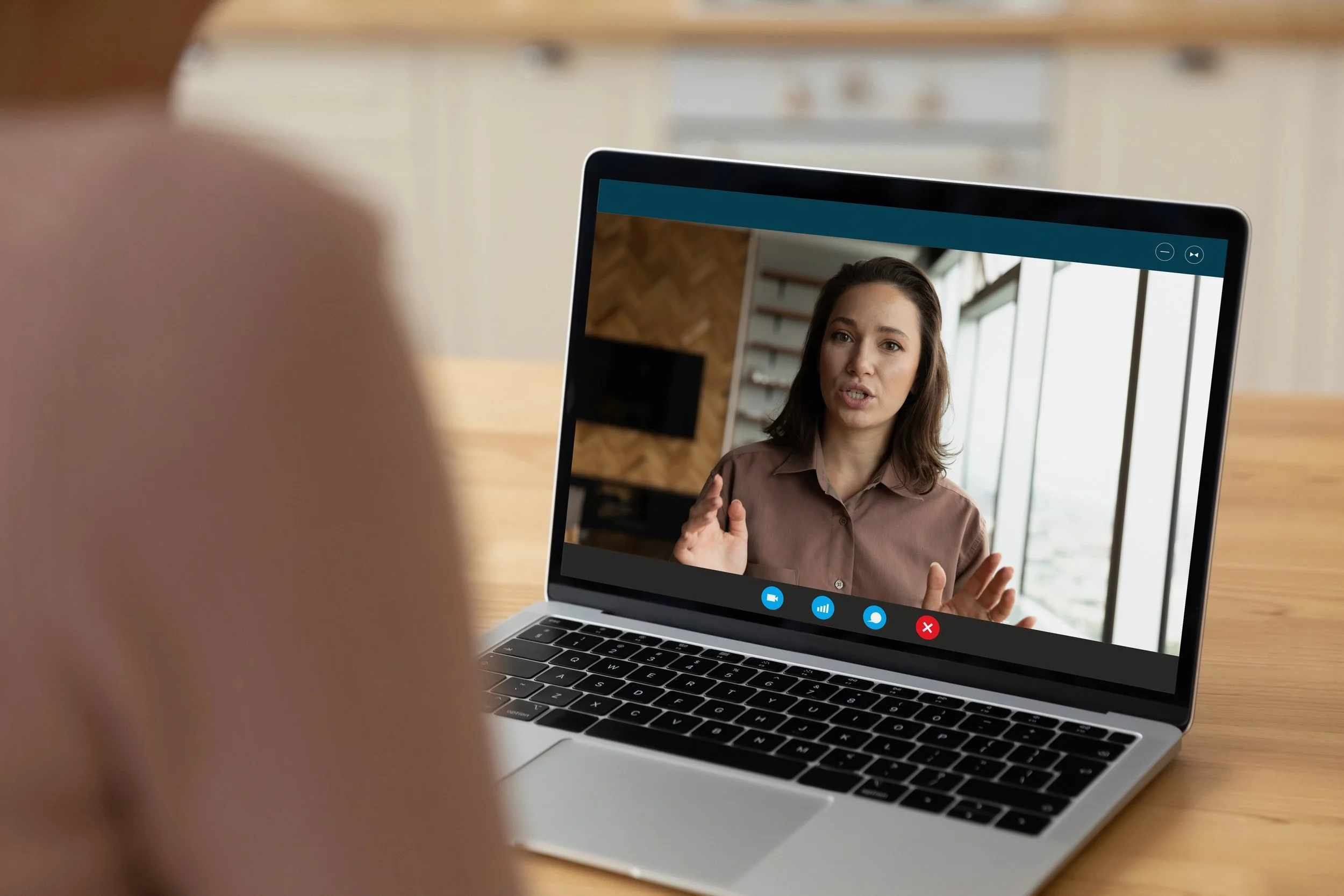
Finding time and space to care for your mental health can be difficult. Work, caregiving, transportation, and a full schedule may make traveling to a therapist’s office feel like one more obstacle. Telehealth therapy offers another way to receive professional support, one that can fit more naturally into your life.
But what is telehealth therapy, and how does it compare with meeting a therapist in person? Understanding how online counseling works can help you decide whether it feels like the right next step.
What Is Telehealth Therapy?
Telehealth therapy is mental health counseling provided remotely through secure technology, most often a live video platform. It may also be called online therapy, virtual therapy, teletherapy, or telebehavioral health.
During an appointment, you and your therapist meet in real time from separate locations. You can discuss your thoughts, feelings, challenges, and goals as you would during an in-person session. The primary difference is that you connect through a computer, tablet, or smartphone rather than sharing the same physical room.
At Create Balance Counseling, our telehealth sessions are conducted through a HIPAA-compliant video platform designed to protect your privacy. Telehealth offers a flexible way to access a safe, supportive space for meaningful change.
How Does Telehealth Therapy Work?
Before your first session, you will generally complete intake paperwork and receive instructions on how to access the secure platform. At your appointment time, you click the provided link and join your therapist from a private location.
Your first meeting gives you and your therapist time to get to know one another. You may discuss what brought you to therapy, what has been difficult, what you hope will change, and what support may be most helpful. Together, you can develop a treatment plan reflecting your needs, preferences, strengths, and goals.
Telehealth therapy is still therapy. It involves an intentional relationship with a trained clinician, thoughtful conversation, reflection, skill-building, and evidence-supported approaches. The screen changes the meeting place, but it does not remove the human connection at the heart of the process.
What Can Online Therapy Help With?
People pursue online therapy for many of the same reasons they seek in-person counseling. Telehealth may support people experiencing:
Anxiety, stress, or depression
Burnout or compassion fatigue
Grief and loss
Chronic pain or illness
Relationship, family, or parenting concerns
Identity development
Life transitions
Trauma-related experiences
A desire for personal growth
You do not need to be in crisis or have a diagnosis to benefit from therapy. Some people begin because they feel overwhelmed or disconnected. Others want to understand repeating patterns, strengthen relationships, develop healthier coping tools, or bring more balance into daily life.
What Are the Benefits of Telehealth Therapy?
One of the greatest benefits of telehealth therapy is flexibility. Without travel time, it may be easier to schedule sessions around work, school, caregiving, or other responsibilities. It can also reduce barriers for people with health, mobility, or transportation challenges.
Meeting in a familiar environment may help some clients feel more at ease when discussing vulnerable experiences or practicing new skills. Virtual sessions can also support continuity when weather, minor illness, or a busy day might otherwise make an office visit difficult.
Privacy is another important consideration. You can attend without sitting in a waiting room, but you will need a quiet place where you can speak openly without interruption. Headphones and a closed door can help create a more private space.
Is Telehealth Therapy Effective?
Telehealth can be an effective way to receive behavioral health care, and many approaches used in an office can also be delivered virtually. The therapeutic relationship, your comfort with the format, and your needs all help shape the experience.
Online therapy is not ideal for every person or situation. Some clients feel more present in an office, cannot find privacy at home, or need a level of care that routine virtual sessions cannot provide. A consultation can help determine whether telehealth, in-person care, or a combination may be appropriate.
How to Prepare for a Virtual Therapy Session
Before your appointment, choose a quiet location and test your internet connection, camera, and microphone. Silence notifications and keep anything that helps you feel comfortable nearby, such as water, tissues, a notebook, or art materials. Giving yourself a few minutes before and after the session can also help you transition into and out of the experience.
Find Greater Balance Through Telehealth Therapy
Therapy does not need to require a commute to create meaningful connections and change. Telehealth can provide convenient access to compassionate, personalized care while allowing you to meet from a familiar space.
Create Balance Counseling offers telehealth talk therapy and art therapy through a whole-person approach that considers your emotional, mental, and overall well-being. Our trauma-informed clinicians collaborate with you to create an experience that meets you where you are and supports where you hope to go.
Schedule a free consultation with Create Balance Counseling to learn more about telehealth therapy and discover whether virtual counseling is a good fit for your needs.